Mon Mar 23 2026 01:00:00 GMT+0100 (Central European Standard Time)

How Milk Pasteurization Works: HTST vs UHT Explained

Understand the science behind milk pasteurization. Learn how HTST and UHT methods work, their key differences, and which is right for your dairy processing needs.

How Milk Pasteurization Works: HTST vs UHT Explained

Columns

Direct UHTDirect UHT Steam is injected directly into milk, achieving ultra-rapid heating in milliseconds. This method produces a slightly sweeter flavor profile due to lactose caramelization.
Indirect UHTIndirect UHT Milk passes through a heat exchanger (plate or tubular) without direct steam contact. This method offers better control over final product composition.

Columns

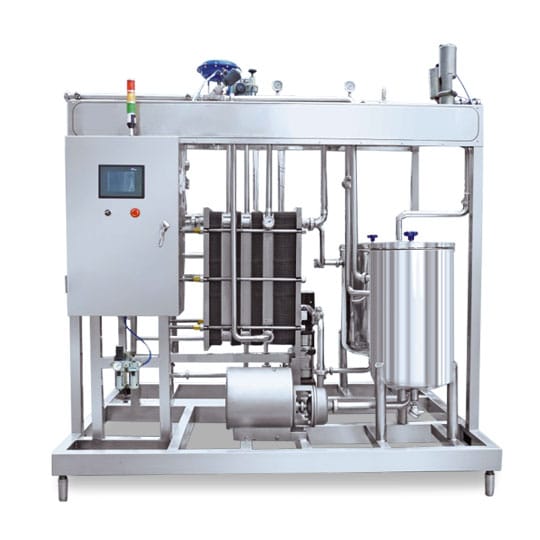
Milk Pasteurizer MachineMilk Pasteurizer Machine HTST pasteurization equipment for yogurt and dairy processing. 200L-5000L capacity with precision temperature control. View Details
Yogurt Production LineYogurt Production Line Complete turnkey solution from raw milk to packaged yogurt. 200L-5000L daily capacity with integrated pasteurization. View Details
Yogurt Fermentation TankYogurt Fermentation Tank Temperature-controlled fermentation tank for consistent yogurt production. Available in single and double chamber configurations. View Details

Specifications

BenefitExplanation
Nutritional Retention90%+ of vitamins and enzymes preserved compared to raw milk
Fresh FlavorMinimal cooked or scalded taste; closer to original milk flavor
Protein QualityWhey proteins remain functional; ideal for yogurt and cheese making
Industry StandardWidely understood, proven technology with established equipment
Equipment CostModerate investment compared to UHT systems

Specifications

BenefitExplanation
Extended Shelf Life6-9 months at room temperature; ideal for distribution without cold chain
Commercial SterilityAll vegetative bacteria and spores destroyed; no refrigeration required before opening
Global DistributionEnables export to regions with limited cold storage infrastructure
Reduced WasteLong shelf life minimizes product spoilage throughout the supply chain
Production EfficiencyContinuous processing allows high-volume production

Specifications

AspectHTST Pasteurization | UHT Processing
Temperature72-85°C (161-185°F) | 135-150°C (275-302°F)
Processing Time15-40 seconds | 2-5 seconds
Shelf Life7-21 days (refrigerated) | 6-9 months (ambient)
Nutritional RetentionHigh (90%+ vitamins preserved) | Moderate (70-80% vitamins)
Flavor ProfileFresh, natural taste | Slightly cooked caramel notes
Protein FunctionalityPreserved for fermentation | Extensively denatured
Storage RequirementsCold chain (0-4°C) | Room temperature (before opening)
Equipment Investment$8,000-$50,000 | $50,000-$500,000+
Ideal ApplicationsFresh dairy, yogurt, cheese, local distribution | Long-distance distribution, export, extended shelf life products

Actions

How Milk Pasteurization Works: HTST vs UHT Explained

How Milk Pasteurization Works: HTST vs UHT Explained The science behind safe dairy processing | Temperature, time, and quality trade-offs

Industrial milk pasteurization equipment in stainless steel

Milk Pasteurizer Machine

Milk Pasteurizer Machine HTST pasteurization equipment for yogurt and dairy processing. 200L-5000L capacity with precision temperature control. View Details

Yogurt Production Line

Yogurt Production Line Complete turnkey solution from raw milk to packaged yogurt. 200L-5000L daily capacity with integrated pasteurization. View Details

Yogurt Fermentation Tank

Yogurt Fermentation Tank Temperature-controlled fermentation tank for consistent yogurt production. Available in single and double chamber configurations. View Details